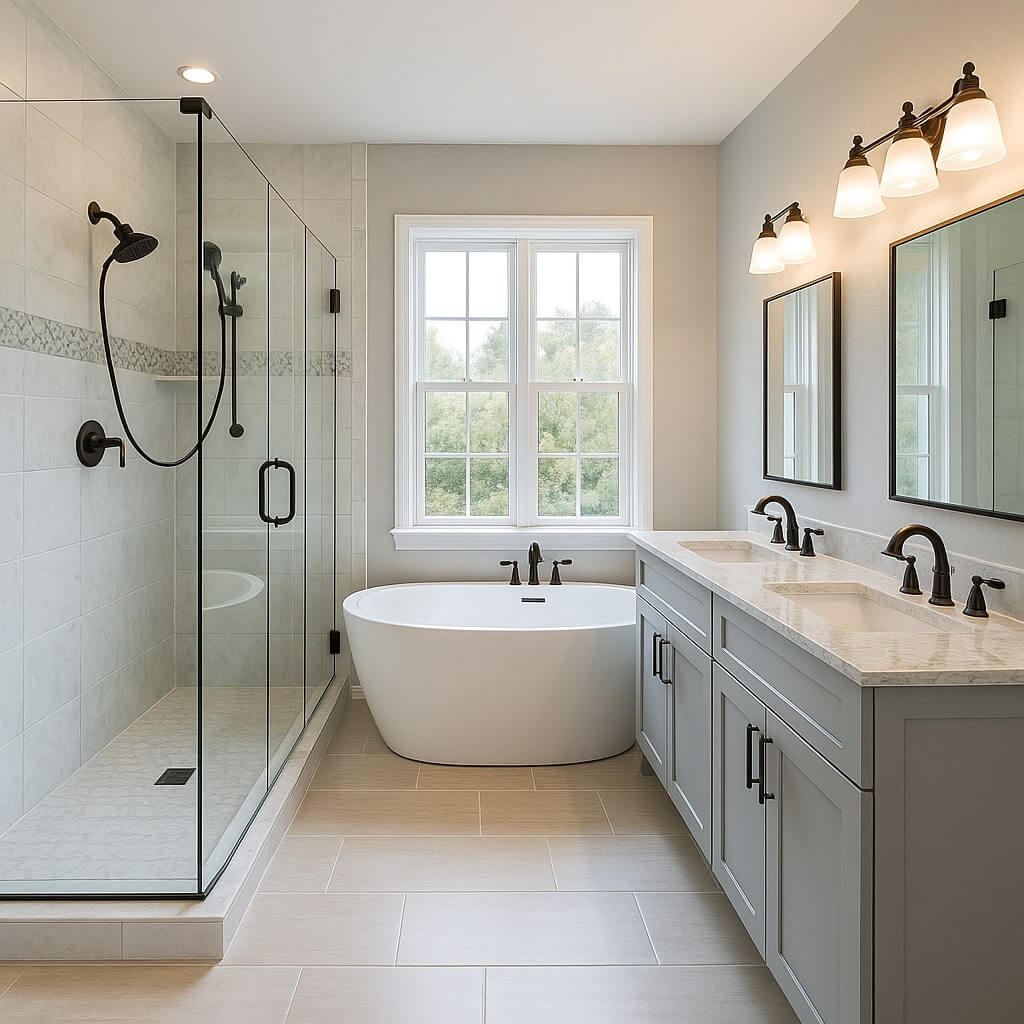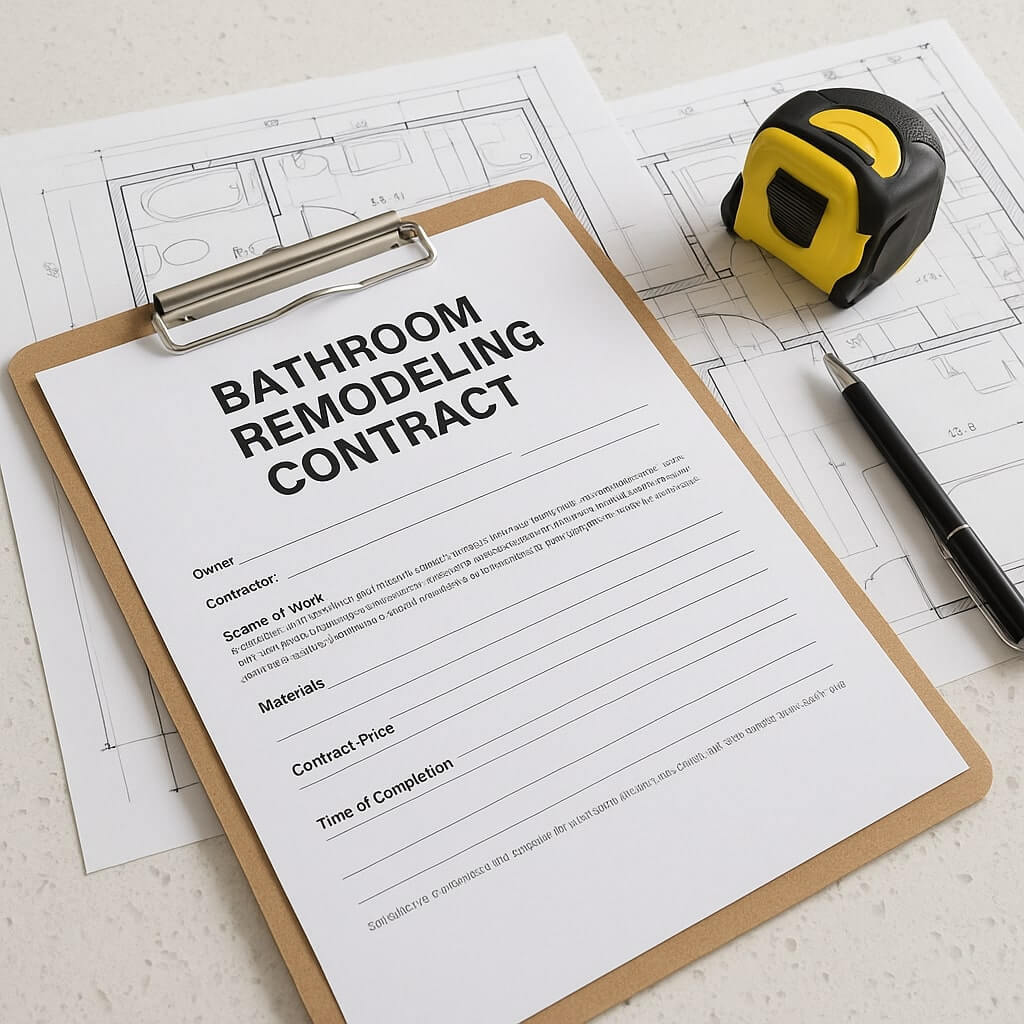
When planning your bathroom remodel, it’s essential to figure out if you need a permit. Local building codes can vary, and what might seem like a simple upgrade could actually require authorization. Major changes, such as plumbing or structural modifications, usually come with specific requirements. To navigate this process effectively, you’ll want to understand the different types of remodels and how to approach obtaining the necessary permits. So, what exactly should you consider?
Key Takeaways
- Check local building codes and regulations to understand specific permit requirements for your area.
- Identify if your remodel includes major plumbing or electrical work, which usually requires permits.
- Determine if any structural changes, like moving walls or altering windows, are part of your project.
- Review minor changes, such as replacing fixtures or painting, which typically don’t require permits.
- Consult with your local building department or a licensed contractor for guidance on permits needed.
Understanding Local Building Codes
Understanding local building codes is essential when planning your bathroom remodel, especially since these regulations can vary greatly from one area to another.
You’ll need to familiarize yourself with local regulations to guarantee compliance and avoid potential fines. Start by checking with your local building department for specific requirements related to plumbing, electrical work, and structural changes.
Keep in mind that building inspections may be necessary at different stages of your project. Properly understanding these codes not only keeps your remodel legal but also assures safety and quality in your new bathroom space.
Don’t overlook this critical step!
Types of Bathroom Remodels That Typically Require Permits
When planning a bathroom remodel, knowing which types of projects typically require permits can save you time and hassle down the road.
Major plumbing upgrades, like relocating fixtures or installing new pipes, often need permits to guarantee compliance with safety standards.
Major plumbing upgrades, such as relocating fixtures or installing new pipes, typically require permits to ensure safety compliance.
Similarly, any electrical installations, such as adding outlets or upgrading light fixtures, usually require permits to meet local codes.
Additionally, structural changes, like removing or adding walls, may also trigger permit requirements.
Before starting your remodel, check your local regulations to avoid complications and confirm your project is up to code.
Common Changes That Do Not Require a Permit
While many aspects of a bathroom remodel require permits, several common changes can be made without the extra paperwork.
For instance, vanity replacements generally don’t need a permit, as long as you’re not altering plumbing or electrical systems. Additionally, fixture upgrades, such as swapping out faucets or showerheads, usually fall under the same category.
You can also repaint, change flooring, or install new light fixtures without worrying about permits, provided you’re not modifying the existing electrical layout.
Always check local regulations to verify your specific project qualifies, but these changes typically keep your remodel hassle-free and straightforward.
The Importance of Consulting With Professionals
Consulting with professionals can save you time, money, and frustration during a bathroom remodel.
When you seek expert consultation, you’re not just getting a second opinion; you’re accessing valuable professional advice that can help navigate permit requirements and local regulations. These experts understand the complexities of remodeling, ensuring your project adheres to safety standards and legal codes.
They can also help you avoid costly mistakes, streamline the design process, and choose the right materials. By investing in professional guidance, you set your remodel up for success, allowing you to focus on creating a beautiful and functional bathroom.
Steps to Obtain a Permit
Before starting your bathroom remodel, you need to check local regulations to know what’s required in your area.
Once you have that information, you’ll submit your application and prepare the necessary documentation.
Following these steps will help guarantee your project stays on track and meets all legal requirements.
Check Local Regulations
How can you guarantee your bathroom remodel complies with local laws? Start by checking your city or county’s permit requirements. Regulations vary widely; understanding them is essential. Here’s a quick guide to help:
| Aspect | Details |
|---|---|
| Permit Type | Residential or Commercial |
| Required Documents | Plans, specs, and contractor info |
| Fees | Varies by location, usually a flat fee |
| Inspection Process | Usually required at different stages |
| Timeline | Processing time can range from days to weeks |
Submit Application Process
To obtain a permit for your bathroom remodel, you’ll need to follow a series of straightforward steps that guarantee compliance with local regulations.
Start by filling out the necessary application forms, which can typically be found online or at your local building department. Be sure to review them carefully for accuracy.
Next, pay any required submission fees, as these often vary by location and project scope.
Once you’ve completed the forms and paid the fees, submit your application to the appropriate authority.
Keep track of your submission to make certain you receive timely updates on the status of your permit.
Prepare Required Documentation
While preparing your required documentation for a bathroom remodel permit, it’s essential to gather all necessary materials to streamline the approval process. Start with a thorough documentation checklist that includes necessary forms such as your site plan, design drawings, and any contractor agreements.
Here’s a helpful table to organize your documents:
| Document Type | Description |
|---|---|
| Site Plan | Shows the layout of your remodel |
| Design Drawings | Visual representation of changes |
| Contractor Agreement | Confirms hired professionals |
| Permit Application | Official request for the permit |
| Proof of Ownership | Verifies property ownership |
Collect these to avoid delays.
Potential Consequences of Skipping the Permit Process
Skipping the permit process for your bathroom remodel can lead to serious legal penalties and fines if you’re caught.
Additionally, bypassing this step could expose you to safety risks and hazards that may jeopardize your home and well-being.
Finally, failing to obtain a permit can negatively impact your property’s resale value, making it harder to sell down the line.
Legal Penalties and Fines
Neglecting to secure the necessary permits for your bathroom remodel can lead to serious legal penalties and fines that may outweigh any initial savings.
Without proper permits, you could face hefty fines that range from hundreds to thousands of dollars, depending on your local regulations.
Additionally, you might encounter legal implications, such as being required to undo completed work or, in extreme cases, facing court action.
These financial consequences can escalate quickly, making it far more costly than the permit fees you’d initially avoided.
Safety Risks and Hazards
Failing to obtain the necessary permits for your bathroom remodel can expose you to significant safety risks and hazards.
Without permits, you may skip essential safety inspections, leaving dangerous issues unaddressed, like faulty wiring or inadequate plumbing. These oversights can lead to severe accidents, such as electrical fires or water damage.
Additionally, a lack of official oversight means you won’t undergo hazard assessments, which are vital for identifying potential dangers in your remodel.
Protecting yourself and your home should be a priority, so always secure the required permits to guarantee a safe and compliant renovation.
Resale Value Impact
When you overlook the permit process for your bathroom remodel, you risk greatly diminishing your home’s resale value. Buyers today are savvy, often checking for permits before making offers.
If they discover unpermitted work, it could lead to:
- Lower offers due to perceived risks.
- Complications during inspections, delaying sales.
- Increased renovation costs to bring work up to code.
- Difficulty in securing financing for buyers.
As market trends shift, homes with proper permits stand out, ensuring you maximize your investment.
Avoid these pitfalls by understanding the importance of permits in maintaining your property’s value.
Conclusion
To summarize, determining whether your bathroom remodel requires a permit hinges on your local building codes and the scope of your project. Always check with your local building department and consult a licensed contractor to avoid costly mistakes. By understanding what changes necessitate permits and following the proper steps to obtain them, you can guarantee your remodel is compliant and safe. Taking these precautions saves you time, money, and potential headaches down the line.