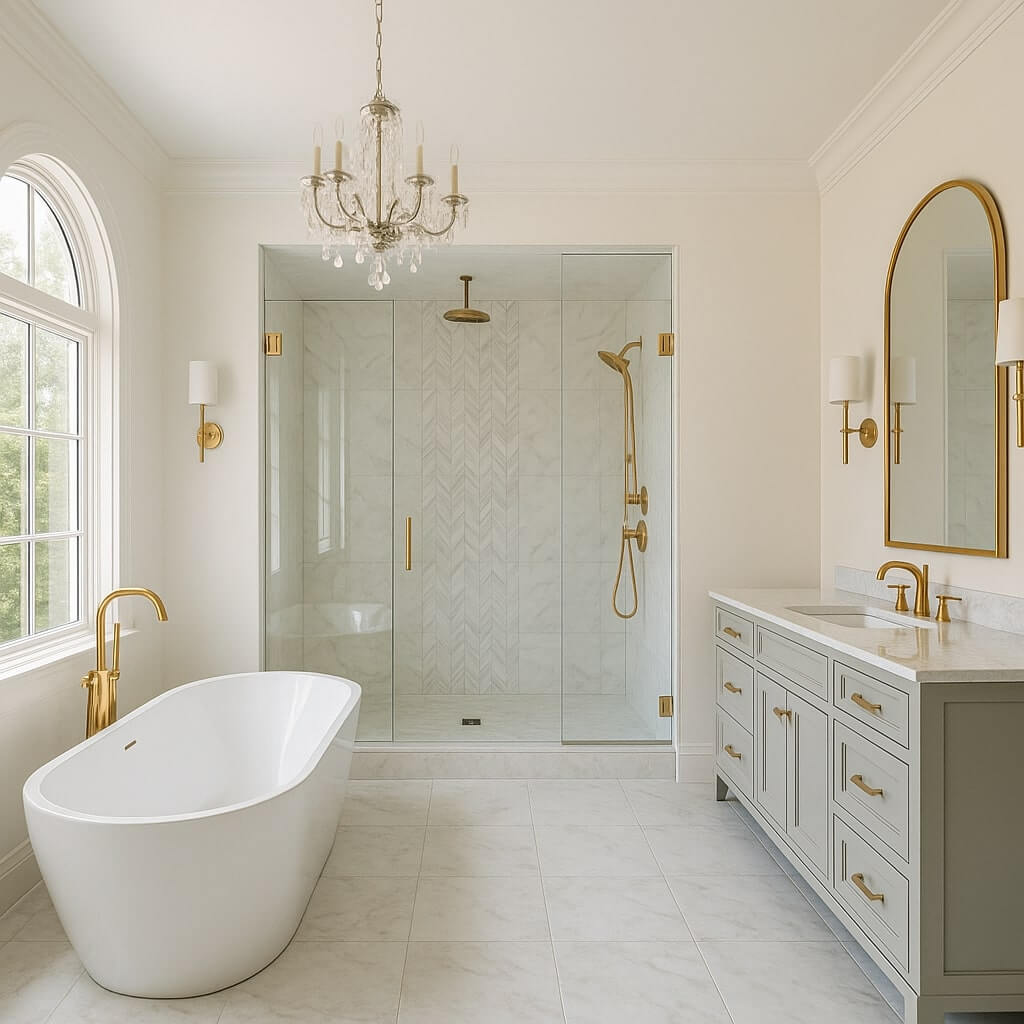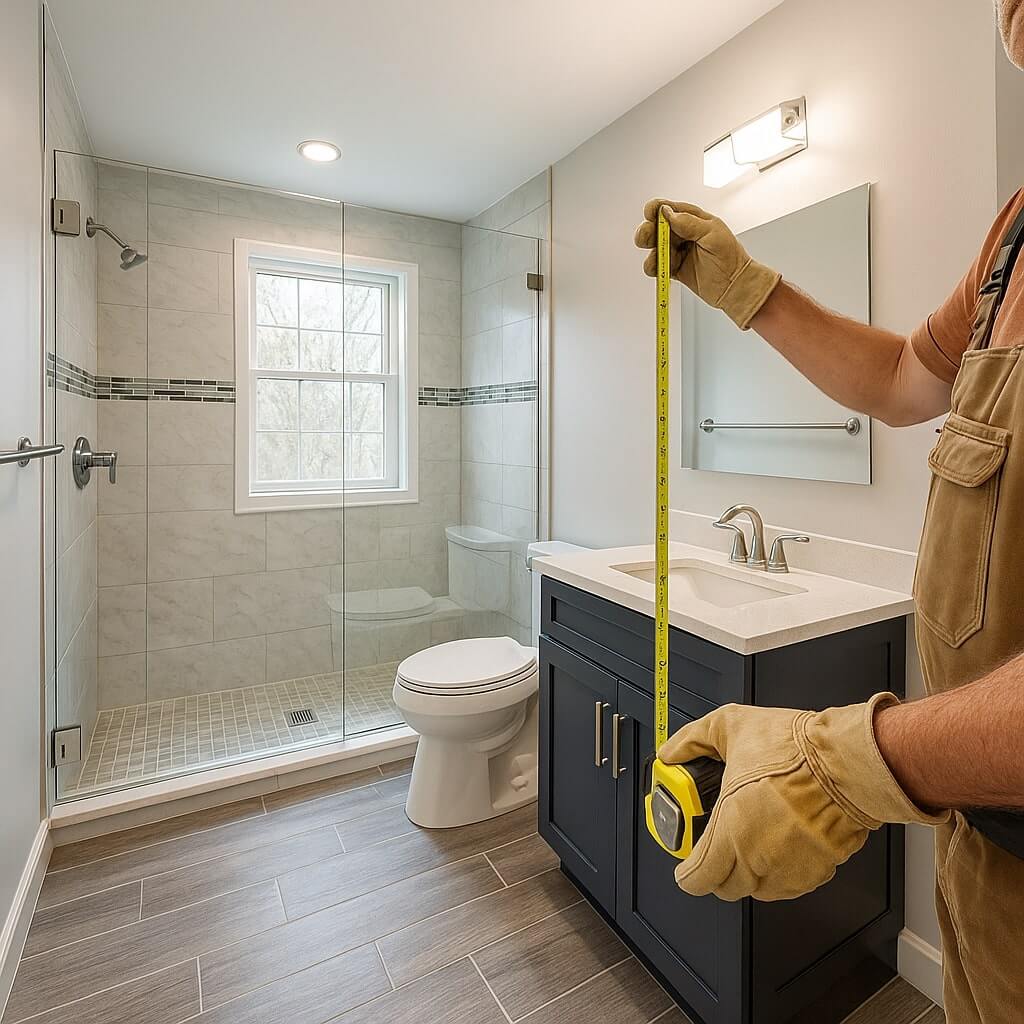
When you’re contemplating a bathroom remodel to enhance accessibility, it’s essential to find the right remodeler. You want someone who not only understands the unique challenges but also has the expertise to implement effective solutions. By focusing on remodelers with a solid track record in inclusive design, you can guarantee that your bathroom becomes a safe and functional space. But how do you identify the best candidates for your specific needs? Let’s explore the key factors to reflect on.
Key Takeaways
- Look for remodelers with specific experience in accessibility projects and positive reviews from clients with similar needs.
- Verify their certifications to ensure they are knowledgeable about current accessibility standards and guidelines.
- Request portfolios showcasing past work related to accessible bathroom design to assess their expertise.
- Discuss customization options and how they plan to accommodate specific accessibility needs during consultations.
- Evaluate the costs and ensure they include high-quality, compliant materials and fixtures for long-term safety and usability.
Understanding the Importance of Accessibility in Bathroom Design
When you consider remodeling your bathroom, understanding the importance of accessibility is crucial, especially if you or a loved one has mobility challenges.
Applying universal design principles guarantees your space is functional for everyone, regardless of their abilities.
Universal design principles ensure your bathroom is accessible and functional for everyone, enhancing both safety and independence.
Think about inclusive bathroom features like grab bars, non-slip flooring, and wider doorways. These elements not only enhance safety but also promote independence.
A thoughtfully designed bathroom can reduce stress and create a welcoming atmosphere.
By prioritizing accessibility, you’re investing in comfort and usability, allowing everyone to enjoy the space without limitations.
Make your bathroom a sanctuary for all with these essential considerations.
Key Features to Consider for an Accessible Bathroom
Creating an accessible bathroom involves several key features that guarantee safety and comfort for everyone. Consider incorporating these essential elements:
| Feature | Importance | Tips |
|---|---|---|
| Grab Bars | Prevents falls | Install near toilets/showers |
| Shower Seats | Provides stability | Choose foldable options |
| Non-Slip Flooring | Reduces slip hazards | Opt for textured materials |
| Accessible Vanities | Ease of use | Ascertain knee clearance |
Don’t forget wider doorways for wheelchair access, adjustable fixtures for various heights, appropriate toilet height, and effective lighting solutions to enhance visibility.
Researching Potential Remodelers With Accessibility Experience
Finding the right remodeler with experience in accessibility solutions can make all the difference in your bathroom renovation.
To guarantee you choose wisely, consider these steps:
- Check Remodeler Reviews: Look for feedback from previous clients focusing on their experiences with accessibility projects.
- Verify Accessibility Certifications: Confirm the remodelers have relevant certifications that demonstrate their expertise in creating accessible spaces.
- Ask for Portfolios: Request examples of their past work to see how they’ve addressed similar accessibility needs.
With careful research, you’ll find a remodeler who understands your vision and can create a functional, safe bathroom.
Questions to Ask During Consultations
When you meet with potential remodelers, it’s essential to ask about their experience with accessibility projects to gauge their expertise.
You’ll also want to discuss the customization options available to guarantee the design meets your specific needs.
Finally, don’t hesitate to seek clarity on budget and timeline to avoid any surprises down the road.
Experience With Accessibility Projects
Although you may have a vision for your accessible bathroom, ensuring that your remodeler has the right experience is essential.
When discussing their remodeling expertise, ask these key questions:
- What previous projects have you completed that focus on accessible design?
- Can you provide references or testimonials from clients who needed accessibility solutions?
- How do you stay updated on accessibility standards and guidelines?
These inquiries will help you gauge their familiarity with accessibility features, ensuring they can deliver a functional and stylish remodel tailored to your needs.
Your comfort and safety depend on their experience.
Design Customization Options
Exploring design customization options is essential for creating a bathroom that truly meets your accessibility needs. During consultations, ask about design flexibility to guarantee the layout accommodates your specific requirements.
Inquire about various material options, as different textures and finishes can enhance both safety and aesthetics. Discuss elements like slip-resistant flooring, grab bars, and adjustable fixtures that can be tailored to your preferences.
Don’t hesitate to express your vision, as a collaborative approach will yield the best results. Your bathroom should reflect your style while providing comfort and accessibility, so make certain the remodeler understands your unique needs and desires.
Budget and Timeline Clarity
Establishing a clear budget and timeline is crucial for a successful bathroom remodel that meets your accessibility needs.
To guarantee everything stays on track, consider asking these key questions during consultations:
- What are your estimated costs? Understanding potential expenses helps you navigate budget constraints effectively.
- Can you provide a detailed timeline? Knowing the timeline estimates allows you to plan accordingly and minimize disruptions.
- How do you handle unexpected changes? It’s essential to know how the remodeler manages surprises, guaranteeing transparency throughout the process.
These discussions will help you create a space that’s both functional and welcoming.
Evaluating Portfolios and Previous Projects
How can you guarantee the bathroom remodeler you choose truly understands accessibility needs? Start with a thorough portfolio analysis. Look for project diversity that showcases their ability to tackle various accessibility challenges.
| Project Type | Accessibility Features |
|---|---|
| Walk-in Showers | Grab bars, non-slip tiles |
| Accessible Vanities | Lowered counters, knee space |
| Enhanced Lighting | Motion sensors, adjustable fixtures |
Reviewing their previous projects will give you insight into their expertise. A remodeler passionate about accessibility will demonstrate a commitment to creating functional, safe spaces tailored to individual needs.
Understanding Costs and Budgeting for Accessibility Modifications
What factors should you consider when budgeting for accessibility modifications in your bathroom? Understanding the costs involved is essential for effective budgeting strategies. Here’s a cost breakdown to help you plan:
- Materials: High-quality, accessible fixtures often come at a premium, so factor this into your costs.
- Labor: Skilled contractors knowledgeable about accessibility can charge more; make sure you’re budgeting for their expertise.
- Design: Custom designs for accessibility can increase costs, so consider whether you need a tailored solution.
Ensuring Compliance With Local Accessibility Codes and Regulations
When planning your bathroom remodel for accessibility, it’s essential to understand local codes and regulations that may apply.
Key accessibility features, such as grab bars and wider doorways, must meet specific standards to guarantee safety and usability.
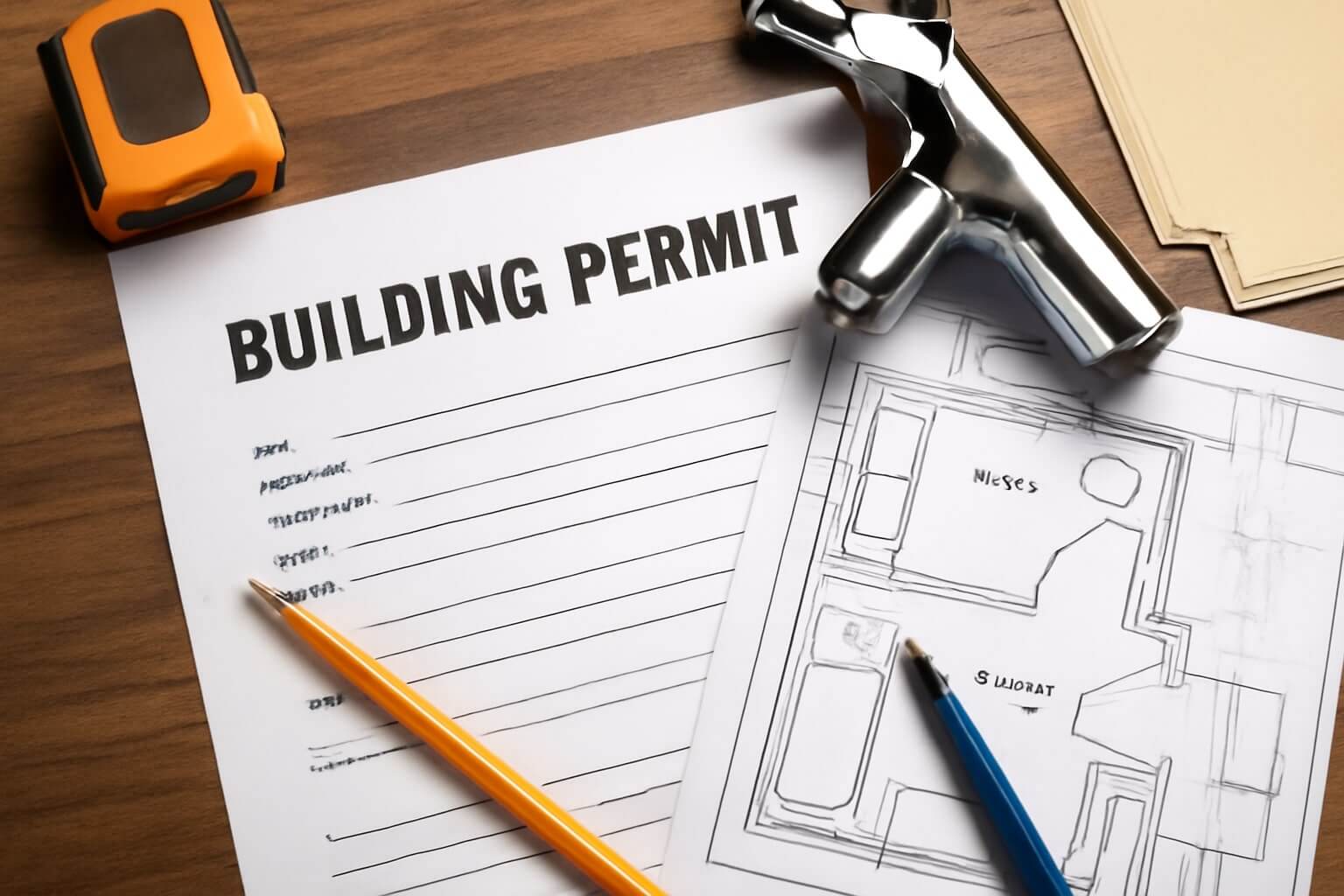
Don’t forget to obtain the necessary permits and schedule inspections to keep your project compliant and stress-free.
Understanding Local Codes
Although maneuvering through local codes and regulations may seem intimidating, understanding these requirements is vital for guaranteeing your bathroom remodel meets accessibility standards.
Here are three key steps to achieve code compliance:
- Research Local Regulations: Check your municipality’s website or contact local authorities for specific accessibility guidelines.
- Consult Professionals: Engage with remodelers experienced in compliance to make sure your project adheres to all local codes.
- Obtain Permits: Don’t skip this step; necessary permits are essential for legal compliance and avoiding future issues.
Key Accessibility Features
After confirming your remodel adheres to local codes, the next step is to incorporate key accessibility features that enhance usability and safety. Focus on adaptable fixtures like grab bars and adjustable showerheads, which cater to various needs. User-friendly layouts, such as curbless showers and wide doorways, guarantee smooth mobility. Consider the following table for quick reference:
| Feature | Purpose | Benefits |
|---|---|---|
| Grab Bars | Support in wet areas | Reduces fall risk |
| Curbless Showers | Easy access | Enhances mobility |
| Adjustable Fixtures | Tailored comfort | Accommodates different users |
| Non-slip Flooring | Safety in wet conditions | Prevents slips and falls |
Permits and Inspections
Steering through the world of permits and inspections can feel intimidating, but it’s essential for guaranteeing your bathroom remodel meets local accessibility codes and regulations.
To navigate the permit requirements and inspection processes effectively, consider these steps:
- Research Local Codes: Familiarize yourself with the specific accessibility standards in your area to avoid potential setbacks.
- Consult Professionals: Work with experienced remodelers who understand the permit requirements and can guide you through the process.
- Schedule Inspections Early: Guarantee timely inspections to confirm compliance and avoid delays in your project timeline.
Taking these steps will help you create a safe, accessible bathroom.
Conclusion
Choosing the right bathroom remodeler for accessibility solutions is vital to creating a space that meets your needs. By focusing on experienced professionals, asking the right questions, and evaluating their past work, you can guarantee your bathroom is safe and functional. Remember to discuss your budget and compliance with local regulations to avoid surprises. With careful planning and the right partner, you’ll transform your bathroom into an accessible haven that enhances your quality of life.