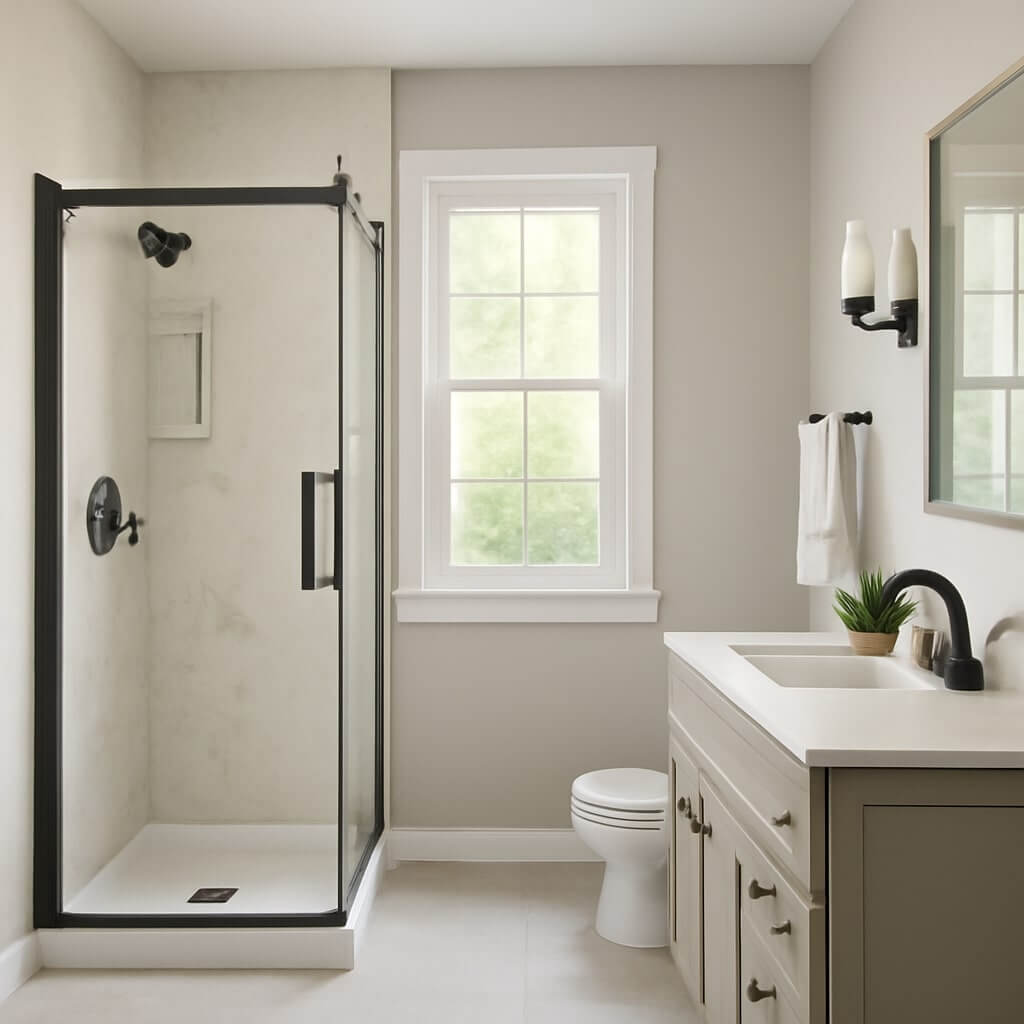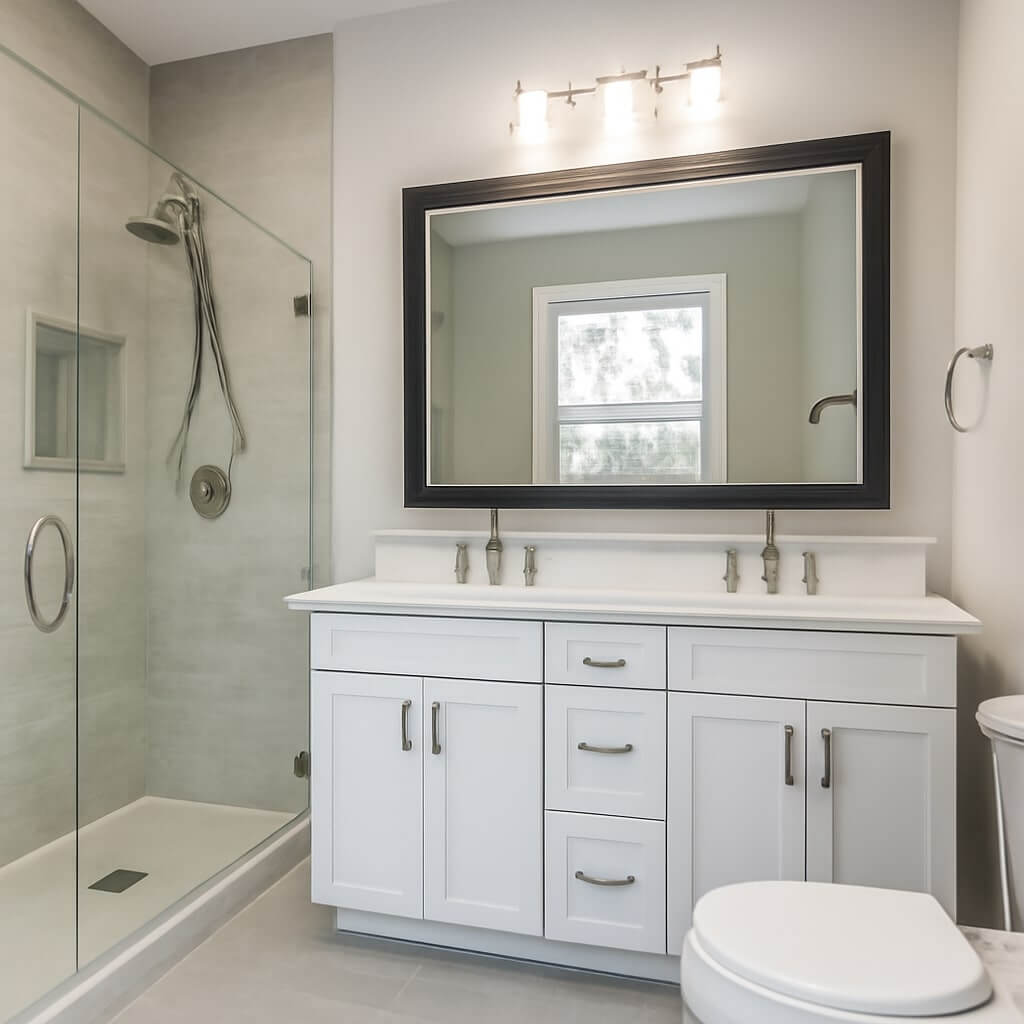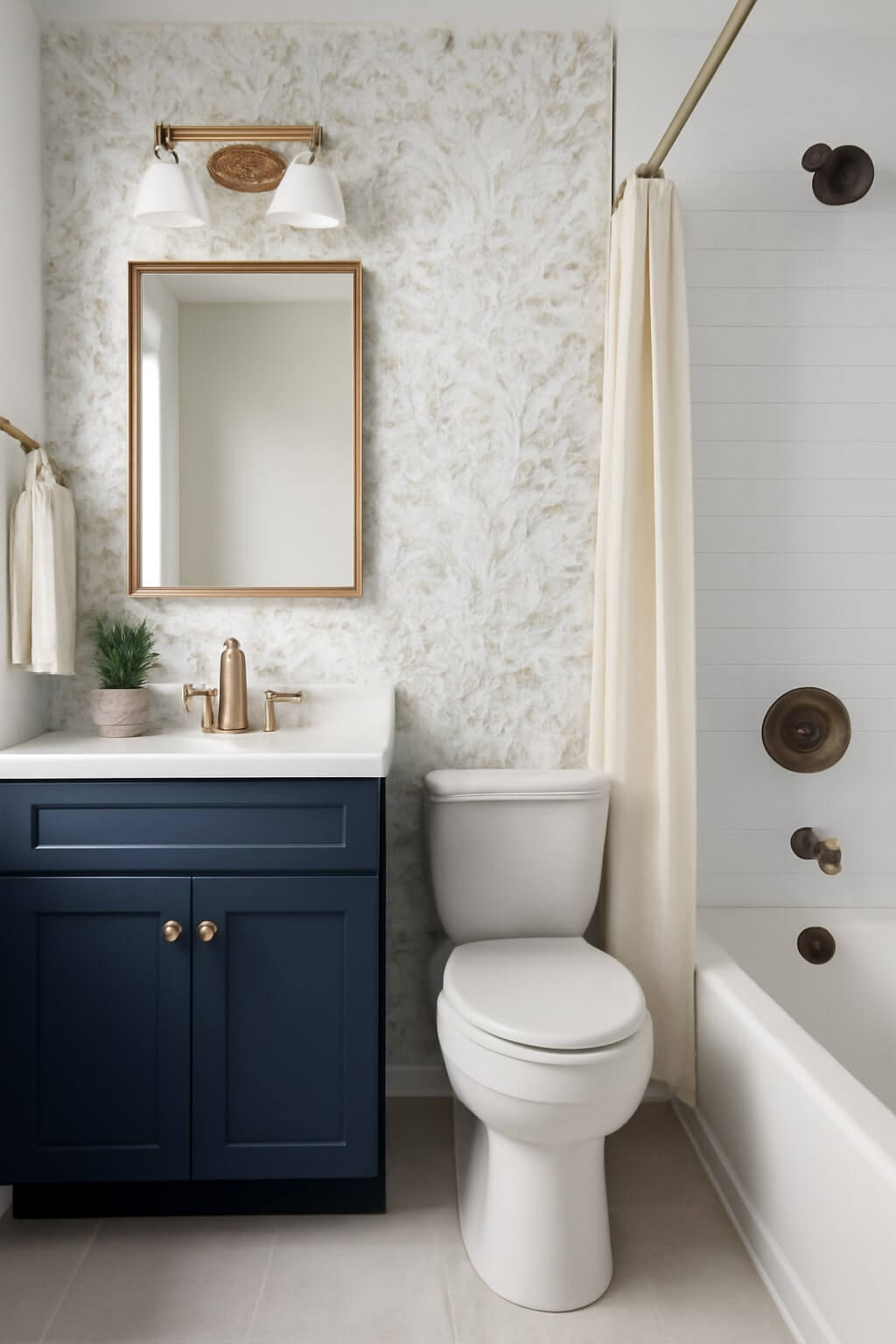

When considering a bathroom remodel, you might overlook the potential tax deductions that can come with it. Understanding when these renovations qualify for deductions is vital, especially if you’re enhancing functionality or making energy-efficient upgrades. Certain projects could provide financial benefits, but the specifics can be complex. Are you aware of the types of improvements that might qualify? It’s essential to explore these aspects before moving forward.
Key Takeaways
- Bathroom remodels in home offices may qualify for deductions under business use of the home.
- Renovations made in rental properties can often be fully deductible.
- Energy-efficient upgrades in bathrooms may qualify for specific tax credits.
- Costs related to medical needs, such as accessibility improvements, can be deductible.
- Accurate documentation of expenses is essential for maximizing potential tax benefits.
Understanding Tax Deductions for Home Improvements
When you consider making improvements to your home, it’s essential to understand how these upgrades can affect your taxes.
Homeowner benefits often arise from renovations, particularly when they enhance energy efficiency or increase property value. Various renovation incentives may allow you to claim deductions or credits, depending on the nature of your project.
For instance, energy-efficient upgrades may qualify for tax benefits, while improvements aimed solely at personal enjoyment typically don’t. Evaluating these factors can help you maximize financial advantages, ensuring your investments yield not only aesthetic satisfaction but also potential tax relief.
Always consult a tax professional for tailored advice.
When Bathroom Remodels Qualify for Deductions
Not all bathroom remodels qualify for tax deductions, but certain circumstances can make them eligible.
If you use a portion of your home as a home office, expenses related to remodeling that bathroom may be deductible. Similarly, if your bathroom remodel is in a rental property, you can often deduct the costs as necessary improvements.
To qualify, verify the remodel enhances functionality or value rather than merely cosmetic changes. Keep detailed records of expenses, as documentation is vital when claiming deductions.
Ensure your remodel improves functionality or value, and maintain detailed expense records for tax deduction claims.
Understanding these criteria can help you maximize potential tax benefits from your bathroom renovations.
Types of Tax Deductions for Bathroom Renovations
Bathroom renovations can lead to various tax deductions, depending on the nature of the improvements and how the space is used.
If you make energy efficient upgrades, like installing low-flow fixtures or energy-efficient lighting, you could qualify for specific tax credits.
Additionally, renovation costs associated with medical needs—such as installing grab bars or wheelchair-accessible features—may also be deductible.
If your bathroom remodel enhances your home’s value or functionality for business use, you might deduct those expenses as well.
Always consult a tax professional to guarantee you maximize your deductions and comply with current tax laws.
Documenting Your Remodel Expenses
To take full advantage of tax deductions related to your bathroom remodel, keeping meticulous records of your expenses is crucial.
Start with effective expense tracking; categorize each cost, such as materials, labor, and permits. This will help you identify deductible amounts later.
Next, focus on receipt organization. Store all invoices and receipts in a dedicated folder, whether digital or physical. Confirm each document is clearly labeled with the date and purpose of the expense.
Navigating Capital Gains Tax and Home Sales
When you sell your home, understanding capital gains tax is essential, as it can greatly affect your profit.
You should also be aware of potential exemptions that could reduce or eliminate your tax liability.
Additionally, consider how your recent bathroom remodel may influence your overall gains and what deductions you might claim.
Capital Gains Tax Basics
Understanding capital gains tax is essential for homeowners planning to sell their property, as it can greatly impact their financial outcome.
When you sell your home for more than you paid, the profit you make is considered capital gains. These gains are subject to tax implications, which can vary based on how long you’ve owned the property.
Short-term capital gains, for example, are taxed as ordinary income, while long-term gains benefit from lower rates. Knowing these differences helps you plan effectively, ensuring you fully understand your potential tax liabilities and how to maximize your profit from the sale.
Home Sale Exemptions
While selling your home can be a lucrative opportunity, maneuvering the complexities of capital gains tax can be intimidating.
Fortunately, there are tax exemptions that can greatly reduce your tax liability. If you’ve lived in your home for at least two of the last five years, you might qualify for an exemption of up to $250,000 for single filers or $500,000 for married couples filing jointly.
This means you can exclude a substantial portion of your profit from taxable income during your home sale. Understanding these exemptions can help you maximize your financial outcome when selling your property.
Remodeling Impact on Gains
Although remodeling your bathroom can enhance your home’s value, it’s vital to grasp how these changes impact your capital gains tax when you decide to sell.
Understanding the relationship between remodeling costs and home value can save you significant money. Consider these points:
- Increased Equity: Higher home value can lead to larger profits when selling.
- Taxable Gains: Remodeling costs may adjust your basis, affecting your taxable gains.
- Potential Exemptions: Knowing exemptions can reduce your capital gains tax liability.
Navigating these aspects guarantees you maximize your investment and minimize unexpected tax burdens when selling your home post-remodel.
Tips for Maximizing Your Tax Savings
To maximize your tax savings on a bathroom remodel, you’ll need to be strategic about documentation and planning.
Start by meticulously documenting all expenses related to the project and consider consulting a tax professional for tailored advice.
Additionally, don’t overlook potential energy efficiency credits that could further reduce your tax burden.
Document All Expenses
Documenting all expenses related to your bathroom remodel is essential for maximizing your tax savings.
Effective expense tracking guarantees you don’t miss out on potential deductions. Keep all remodel receipts organized and accessible for tax filing.
Here are three key items to track:
- Labor Costs – Include contractor fees and any professional services.
- Materials – Document purchases for tiles, fixtures, and plumbing supplies.
- Permits and Fees – Don’t forget any local permits required for your remodel.
Consult a Tax Professional
When you’re managing the complexities of tax deductions for your bathroom remodel, consulting a tax professional can greatly enhance your savings.
A qualified tax advisor can help you navigate the intricate rules surrounding home improvements and deductions. They’ll guarantee you’re aware of all potential deductions, including those related to accessibility modifications or energy efficiency.
Furthermore, effective financial planning with a tax expert can reveal strategies to maximize your savings. By understanding your specific situation, a tax advisor can provide tailored advice, ultimately leading to a more favorable tax outcome and potentially significant savings on your remodel costs.
Explore Energy Efficiency Credits
Exploring energy efficiency credits can greatly reduce the costs associated with your bathroom remodel, especially if you incorporate eco-friendly upgrades.
By capitalizing on available tax credits, you can enhance both your home’s value and its sustainability. Here are three key upgrades to reflect on:
- Energy Star Appliances: Installing efficient fixtures can lower your utility bills.
- Low-Flow Toilets: These save water, benefiting both the environment and your wallet.
- Solar Water Heaters: They harness renewable energy, making your home more eco-friendly.
Taking advantage of these energy efficiency options maximizes your tax credits, ensuring significant savings during tax season.
Conclusion
In summary, understanding the nuances of tax deductions for bathroom remodels can greatly enhance your financial strategy. By knowing when your renovations qualify for deductions and meticulously documenting your expenses, you can maximize your tax savings. Whether you’re upgrading for functionality or meeting medical needs, it’s essential to consult a tax professional to navigate the complexities of capital gains taxes and make sure you’re taking full advantage of available benefits. Your remodel can be more than aesthetic; it can be a smart investment.